
Thyroid Cancer Treatment In Surat

Complete Guide to Thyroid Cancer Treatment
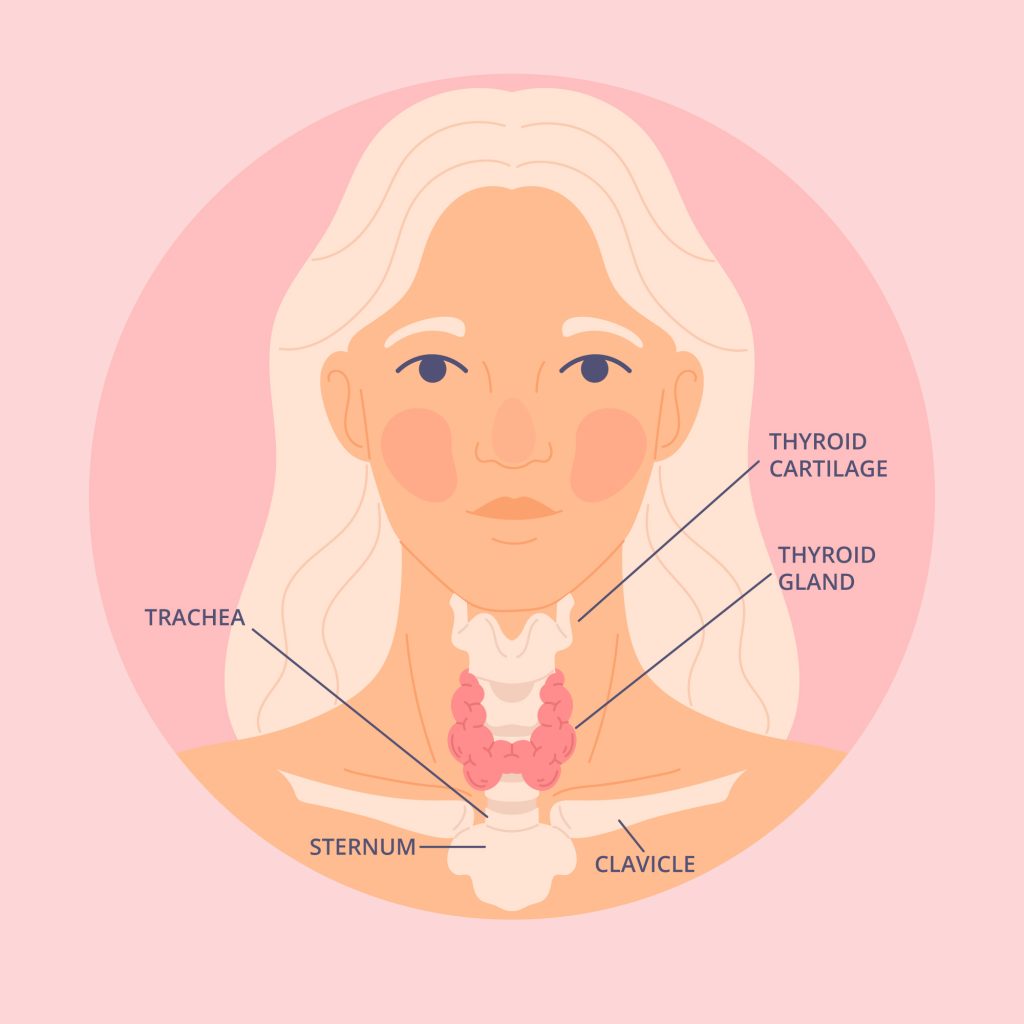
Thyroid cancer treatment is important for managing cancer that develops in the thyroid gland, a butterfly-shaped gland located at the base of the neck. The thyroid gland plays an important role in controlling metabolism, heart rate, and body temperature.
Early diagnosis and timely thyroid cancer treatment can improve outcomes and quality of life.
What Is Thyroid Cancer?
Thyroid cancer occurs when abnormal cells grow in the thyroid gland. Although thyroid cancer is less common than many other cancers, it is often highly treatable when detected early.
There are different types of thyroid cancer, and treatment depends on the type and stage of the disease.
Types of Thyroid Cancer
Papillary Thyroid Cancer
This is the most common type, accounting for nearly 80% of thyroid cancers.
- Usually slow-growing
- Often has an excellent prognosis
- High cure rate with early treatment
Follicular Thyroid Cancer
The second most common type.
- Can be more aggressive than papillary cancer
- Generally has a good prognosis
Medullary Thyroid Cancer
A less common type that develops from special thyroid cells called C cells.
- May be inherited in some families
- Can be more challenging to treat
Anaplastic Thyroid Cancer
A rare but aggressive type.
- Fast-growing
- More difficult to treat
The type of thyroid cancer helps doctors decide the right thyroid cancer treatment plan.
Symptoms of Thyroid Cancer
Common symptoms may include:
- Lump or swelling in the neck
- Pain in the throat or neck
- Difficulty swallowing
- Hoarseness or voice changes
- Persistent cough not related to a cold
These symptoms should not be ignored, as early diagnosis can improve thyroid cancer treatment outcomes.
Risk Factors for Thyroid Cancer
Several factors may increase the risk of thyroid cancer.
Common risk factors include:
- Female gender
- Age above 30
- Family history of thyroid cancer
- Radiation exposure
- Genetic mutations
- Iodine deficiency in rare cases
Knowing these risk factors may help with prevention and early diagnosis.
Diagnosis Before Thyroid Cancer Treatment
Doctors may recommend several tests before starting thyroid cancer treatment.
Physical Examination
Checking for lumps in the neck.
Blood Tests
Measuring thyroid hormone levels and specific markers.
Ultrasound
Helps examine the thyroid gland and neck lymph nodes.
Imaging Tests
CT scan, MRI, or radioactive iodine scan may be used.
Fine Needle Aspiration Biopsy (FNA)
A tissue sample is taken to confirm cancer.
Proper diagnosis helps in planning the right thyroid cancer treatment.
Thyroid Cancer Treatment Options
Thyroid cancer treatment depends on the type, stage, and spread of cancer.
Surgery
Surgery is often the main treatment.
- Partial thyroidectomy
- Total thyroidectomy
- Lymph node removal if cancer has spread
Radioactive Iodine Therapy
Used after surgery to destroy remaining thyroid cancer cells.
Thyroid Hormone Therapy
Helps replace hormones and suppress thyroid-stimulating hormone (TSH).
External Radiation Therapy
Used in selected advanced cases.
Chemotherapy
Used less commonly, mainly in aggressive cancers.
Targeted Therapy
Special medicines target specific cancer mutations.
Modern thyroid cancer treatment is personalized for each patient.
Follow-Up Care After Thyroid Cancer Treatment
After treatment, long-term follow-up is important.
Patients may need:
- Regular physical exams
- Blood tests
- Ultrasound or imaging
- Thyroid hormone replacement therapy
Follow-up care helps detect recurrence early.
Prevention and Early Detection
Certain steps may help in early detection:
- Regular medical check-ups
- Early evaluation of neck lumps
- Monitoring in high-risk individuals
- Family screening in inherited cases
Early diagnosis often makes thyroid cancer treatment more successful.
When Should You Consult a Specialist?
Consult a doctor if you notice:
- Neck swelling
- Voice changes
- Difficulty swallowing
- Persistent throat discomfort
- Family history of thyroid cancer
Ignoring symptoms may delay diagnosis.
Prognosis and Recovery
The success of thyroid cancer treatment depends on:
- Type of thyroid cancer
- Stage at diagnosis
- Age of the patient
- Response to treatment
Papillary and follicular thyroid cancers generally have excellent outcomes when diagnosed early.
Conclusion
Thyroid cancer is often highly treatable when detected early. Proper diagnosis, surgery, radioactive iodine therapy, and follow-up care can improve quality of life and long-term recovery.
Timely thyroid cancer treatment and expert cancer care can improve outcomes and survival.