
Breast Cancer Treatment in Surat

Breast cancer treatment is an important part of managing one of the most common cancers affecting women worldwide. If you are looking for breast cancer treatment in Surat, understanding its symptoms, diagnosis, and treatment options can help you make informed healthcare decisions.
Early detection and timely breast cancer treatment can improve outcomes and quality of life.
Types of Breast Cancer for Better Treatment Planning
1. Ductal Carcinoma In Situ (DCIS): A non-invasive cancer where abnormal cells are found in the lining of a breast duct.
2. Invasive Ductal Carcinoma (IDC): The most common type, where cancer cells spread beyond the ducts into the surrounding breast tissue.
3. Invasive Lobular Carcinoma (ILC): Cancer that begins in the lobules (milk-producing glands) and spreads to nearby tissues.
4. Triple-Negative Breast Cancer: Lacks estrogen receptors, progesterone receptors, and HER2 proteins, making it difficult to treat.
5. HER2-Positive Breast Cancer: Has high levels of the HER2 protein, which promotes cancer cell growth.
6. Inflammatory Breast Cancer: A rare and aggressive form where cancer cells block lymph vessels in the skin of the breast.
7. Paget’s Disease of the Nipple: A rare form affecting the skin of the nipple and areola.

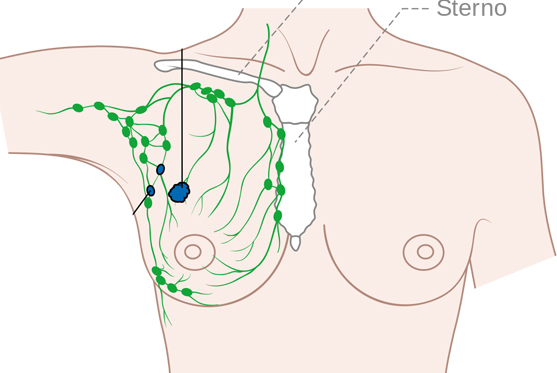
Risk Factors
1. Gender: Being female is the highest risk factor.
2. Age: Risk increases with age.
3. Family History: Having close relatives with breast cancer.
4. Genetics: BRCA1 and BRCA2 gene mutations significantly increase risk.
5. Hormone Replacement Therapy (HRT): Long-term use increases risk.
6. Reproductive History: Early menstruation, late menopause & having children late or not at all.
7. Lifestyle Factors: Alcohol consumption, obesity, and lack of physical activity.
Symptoms That May Require Breast Cancer Treatment
1. A lump in the breast or underarm.
2. Change in size, shape, or appearance of the breast.
3. Dimpling or puckering of the skin.
4. Nipple retraction or discharge.
5. Redness or flaky skin on the breast or nipple.
6. Persistent breast pain.
Diagnosis Before Breast Cancer Treatment
1. Physical Examination: Clinical breast exams.
2. Imaging Tests: Mammograms, ultrasound, and MRI.
3. Biopsy: Removing tissue for laboratory analysis.
4. Genetic Tests: Testing for BRCA1 and BRCA2 mutations.
5. Blood Tests: Checking for tumor markers and overall health.
Breast Cancer Treatment Options
Treatment varies based on the type and stage of cancer, as well as individual patient factors. Common treatments include:
1. Surgery:
i. Lumpectomy: Removing the tumor and a small margin of surrounding tissue.
ii. Mastectomy: Removing one or both breasts, partially or completely.
2. Radiation Therapy: Using high-energy rays to target and kill cancer cells.
3. Chemotherapy: Using drugs to destroy cancer cells, often used before surgery (neoadjuvant) or after surgery (adjuvant).
4. Hormone Therapy: Blocking hormones that fuel certain types of breast cancer.
5. Targeted Therapy: Drugs that specifically target cancer cell properties, such as HER2-positive cancers.
6. Immunotherapy: Boosting the body’s immune system to fight cancer cells.
Breast cancer treatment includes surgery, chemotherapy, radiation therapy, and targeted therapy depending on the stage and type of cancer.
Prevention and Early Detection
Preventive steps may reduce the need for advanced breast cancer treatment.
- Regular screening and mammograms
- Healthy diet and exercise
- Weight management
- Limiting alcohol
- Avoiding smoking
- Genetic counseling in high-risk women
Early detection often makes breast cancer treatment more effective.
If you are looking for breast cancer treatment in Surat, early consultation with a surgical oncologist can help with diagnosis, treatment planning, and timely intervention.
Expert breast cancer treatment may include surgery, chemotherapy, radiation therapy, and targeted treatment depending on the patient’s condition.
Timely breast cancer treatment and expert care can improve survival and quality of life.