
Gastrointestinal Cancer Treatment In Surat

Gastrointestinal Cancer Treatment: Complete Guide to Symptoms, Diagnosis & Care
Gastrointestinal cancer treatment is important for managing cancers that affect the digestive system. These cancers may involve the stomach, small bowel, colon, and rectum. Early diagnosis and timely treatment can improve outcomes and survival.
If you are looking for gastrointestinal cancer treatment in Surat, understanding symptoms and treatment options can help in making informed decisions.
Types of Gastrointestinal Cancer Requiring Treatment
Different types of gastrointestinal cancers may need specialized cancer treatment.
1. Stomach Cancer Treatment
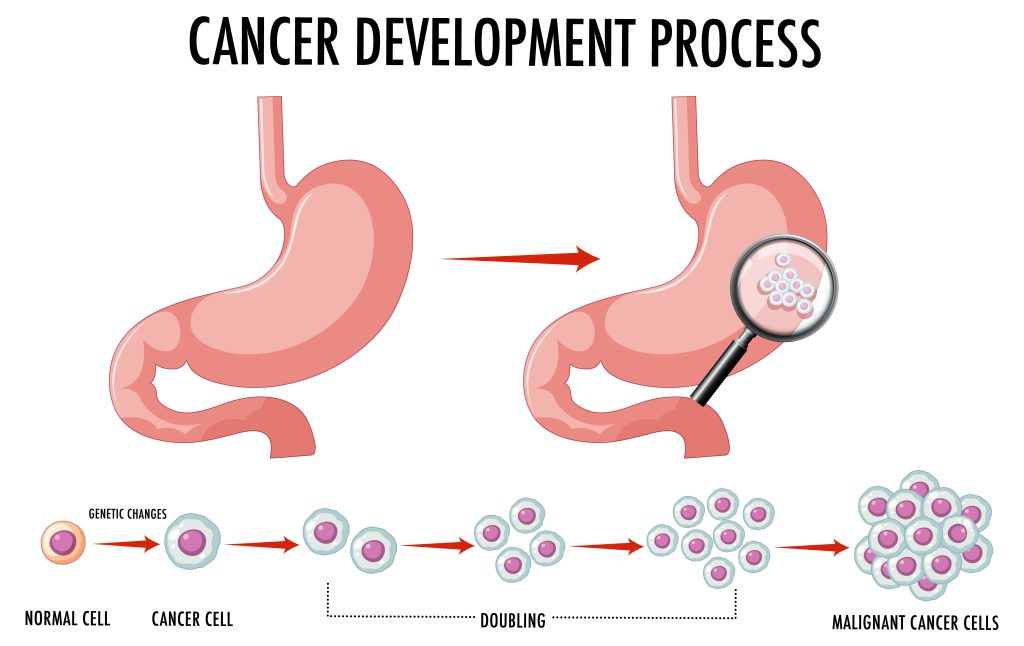
Stomach cancer, also called gastric cancer, starts in the stomach lining. Symptoms may include indigestion, stomach pain, nausea, loss of appetite, and weight loss.
Risk factors include:
- H. pylori infection
- Smoking
- High-salt diet
- Family history
Diagnosis may involve endoscopy, biopsy, and scans. Stomach cancer treatment may include surgery, chemotherapy, radiation therapy, and targeted treatment depending on the stage.
Early treatment can improve recovery.
2. Small Bowel Cancer Treatment
Small bowel cancer affects the small intestine and is relatively rare. Symptoms may include abdominal pain, nausea, blood in stool, and unexplained weight loss.
Risk factors include:
- Crohn’s disease
- Celiac disease
- Genetic syndromes
- High processed meat intake
Diagnosis includes imaging, endoscopy, and biopsy. Small bowel cancer treatment may include surgery, chemotherapy, and targeted therapy.
Proper treatment can improve survival rates.
3. Colon Cancer Treatment
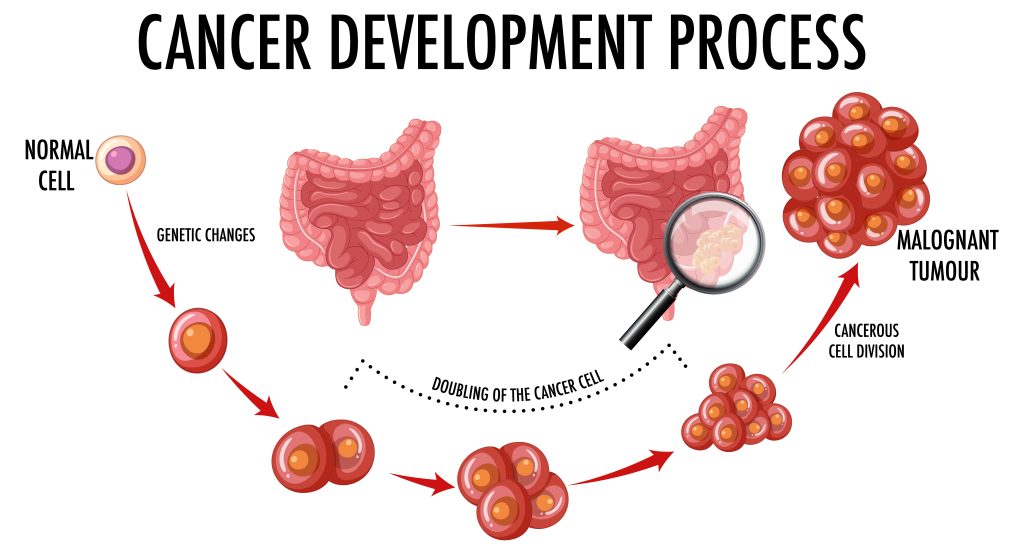
Colon cancer begins in the large intestine and is one of the most common digestive cancers.
Symptoms include:
- Blood in stool
- Change in bowel habits
- Abdominal discomfort
- Weight loss
Screening like colonoscopy helps early detection. Colon cancer treatment may include surgery, chemotherapy, radiation therapy, and targeted therapies.
Timely treatment is important for better outcomes.
4. Rectal Cancer Treatment
Rectal cancer develops in the rectum, the final part of the large intestine.
Symptoms may include:
- Rectal bleeding
- Incomplete bowel evacuation
- Bowel habit changes
- Abdominal pain
Diagnosis may involve colonoscopy, imaging, and rectal examination. Rectal cancer treatment may include surgery, chemotherapy, radiation therapy, and targeted treatment.
Early treatment improves survival.
Symptoms That May Need Gastrointestinal Cancer Treatment
Common warning signs include:
- Persistent abdominal pain
- Blood in stool
- Weight loss
- Nausea
- Loss of appetite
- Bowel habit changes
These symptoms may require evaluation and gastrointestinal cancer treatment.
Gastrointestinal Cancer Treatment Options
Depending on the cancer type and stage, treatment may include:
- Surgery
- Chemotherapy
- Radiation therapy
- Targeted therapy
- Immunotherapy
Modern cancer treatment is planned based on individual patient needs.
Gastrointestinal Cancer Treatment in Surat
If you are looking for gastrointestinal cancer treatment in Surat, early consultation with a surgical oncologist can help in diagnosis and treatment planning.
Timely treatment and expert care can improve outcomes and quality of life.