
Thoracic Cancer Treatment In Surat

Complete Guide to Thoracic Cancer Treatment
Thoracic cancer treatment is important for managing cancers that develop in the chest cavity, including lung cancer, esophageal cancer, and thymic cancer. These cancers affect organs located between the neck and abdomen and may cause serious health problems if not diagnosed early.
Early diagnosis and timely thoracic cancer treatment can improve survival, recovery, and quality of life.
What Is Thoracic Cancer?
Thoracic cancer is a group of cancers that develop in the thoracic cavity, which includes the lungs, esophagus, and thymus gland.
Common types of thoracic cancer include:
- Lung cancer
- Esophageal cancer
- Thymic cancer
Each type may have different symptoms, risk factors, and treatment options.
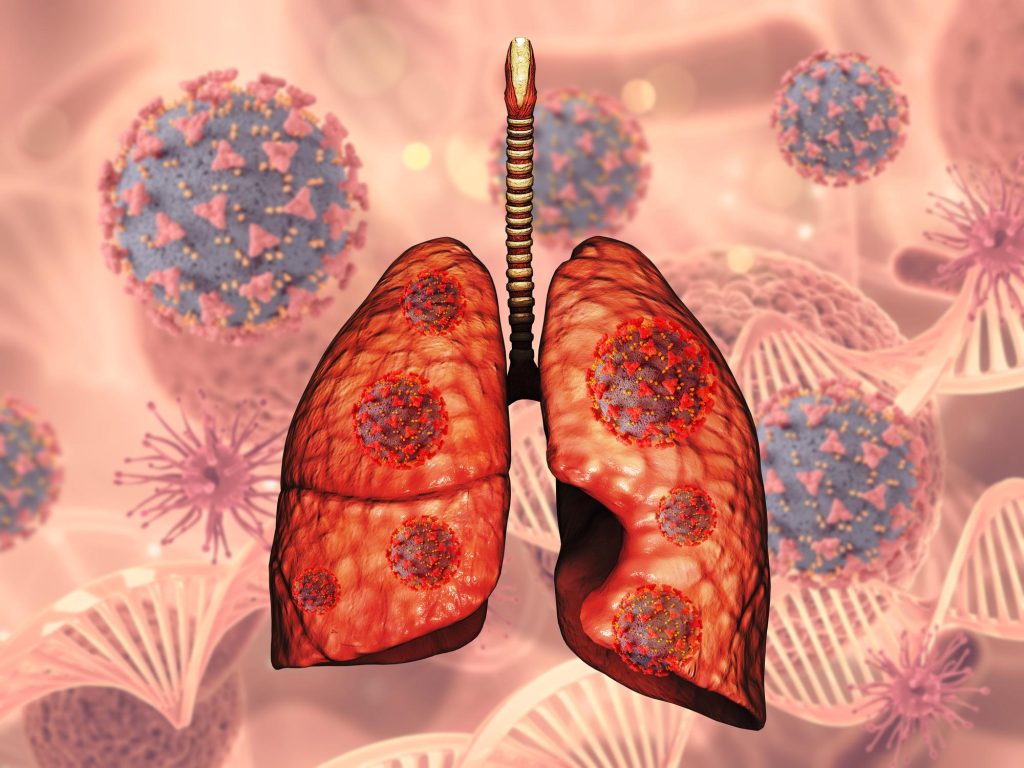
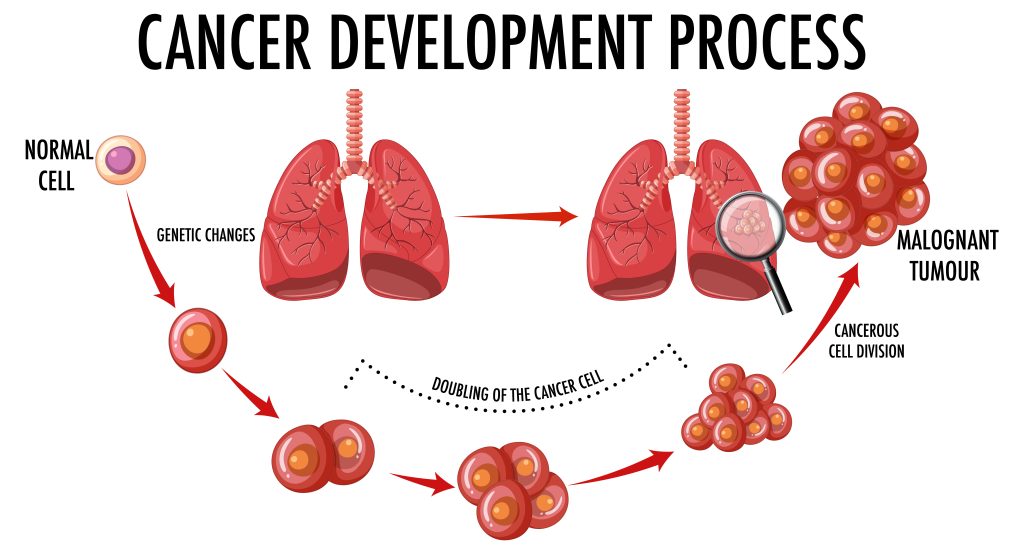
Lung cancer is one of the most common types of thoracic cancer and begins in the lungs.
1. About Lung Cancer
Types of Lung Cancer
Common types include:
- Non-Small Cell Lung Cancer (NSCLC)
- Small Cell Lung Cancer (SCLC)
Symptoms of Lung Cancer
Symptoms may include:
- Persistent cough
- Chest pain
- Shortness of breath
- Fatigue
- Weight loss
- Coughing up blood
Diagnosis of Lung Cancer
Doctors may recommend:
- CT scan
- PET scan
- X-ray
- Bronchoscopy
- Biopsy
- Molecular testing
Lung Cancer Treatment
Treatment may include:
- Surgery
- Radiation therapy
- Chemotherapy
- Targeted therapy
- Immunotherapy
2. About Esophageal Cancer
Esophageal cancer develops in the food pipe (esophagus), which connects the throat to the stomach.
Types of Esophageal Cancer
Common types include:
- Squamous Cell Carcinoma
- Adenocarcinoma
Symptoms of Esophageal Cancer
Symptoms may include:
- Difficulty swallowing
- Weight loss
- Chest discomfort
- Persistent cough
- Heartburn
Diagnosis of Esophageal Cancer
Doctors may recommend:
- Endoscopy
- Biopsy
- CT scan
- PET scan
- Barium swallow
Esophageal Cancer Treatment
Treatment may include:
- Surgery
- Radiation therapy
- Chemotherapy
- Targeted therapy
- Endoscopic procedures
3. About Thymic Cancer
Thymic cancer is a rare cancer that develops in the thymus gland located in the chest.
Types of Thymic Cancer
Common types include:
- Thymoma
- Thymic Carcinoma
Symptoms of Thymic Cancer
Symptoms may include:
- Persistent cough
- Chest pain
- Shortness of breath
- Muscle weakness
- Difficulty swallowing
Diagnosis of Thymic Cancer
Doctors may recommend:
- CT scan
- MRI
- Biopsy
- Blood tests
Thymic Cancer Treatment
Treatment may include:
- Surgery
- Radiation therapy
- Chemotherapy
- Targeted therapy
Prevention and Early Detection
Thoracic cancer risk may be reduced by:
- Avoiding smoking
- Reducing alcohol intake
- Healthy diet
- Regular screening in high-risk patients
- Early evaluation of symptoms
Early diagnosis improves thoracic cancer treatment outcomes.
Prognosis and Recovery
The outcome of thoracic cancer treatment depends on:
- Type of cancer
- Stage at diagnosis
- Overall health
- Response to treatment
Conclusion
Thoracic cancers include lung cancer, esophageal cancer, and thymic cancer. Early diagnosis and personalized thoracic cancer treatment can improve quality of life and recovery.
If you notice persistent chest symptoms, early consultation with a cancer specialist is important.