
Skin Cancer Treatment in Surat
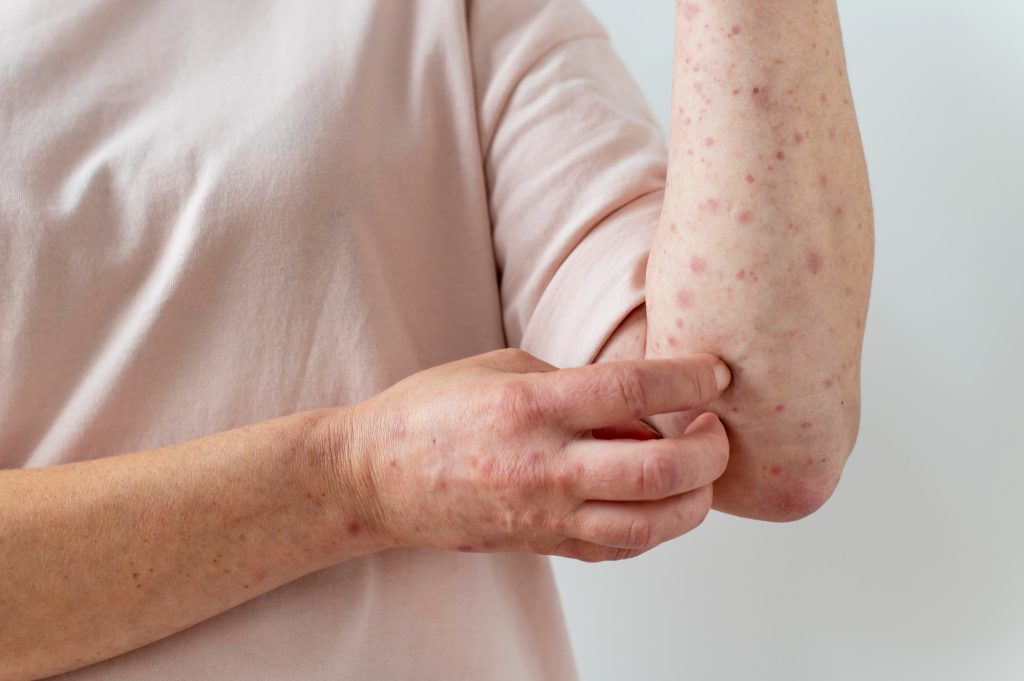
How Is Skin Cancer Treated? Symptoms, Diagnosis & Care
Skin cancer treatment depends on the type, stage, and location of the cancer. Skin cancer is one of the most common cancers, but when detected early, proper treatment can lead to excellent outcomes.
Understanding skin cancer symptoms, diagnosis, and treatment options can help patients seek timely care.
What Is Skin Cancer?
Skin cancer occurs when abnormal skin cells grow uncontrollably, usually due to damage caused by ultraviolet (UV) radiation from the sun or tanning beds.
The most common types of skin cancer include:
- Basal Cell Carcinoma (BCC)
- Squamous Cell Carcinoma (SCC)
- Melanoma
Each type may require a different skin cancer treatment plan.
Symptoms of Skin Cancer
Early signs of skin cancer may include:
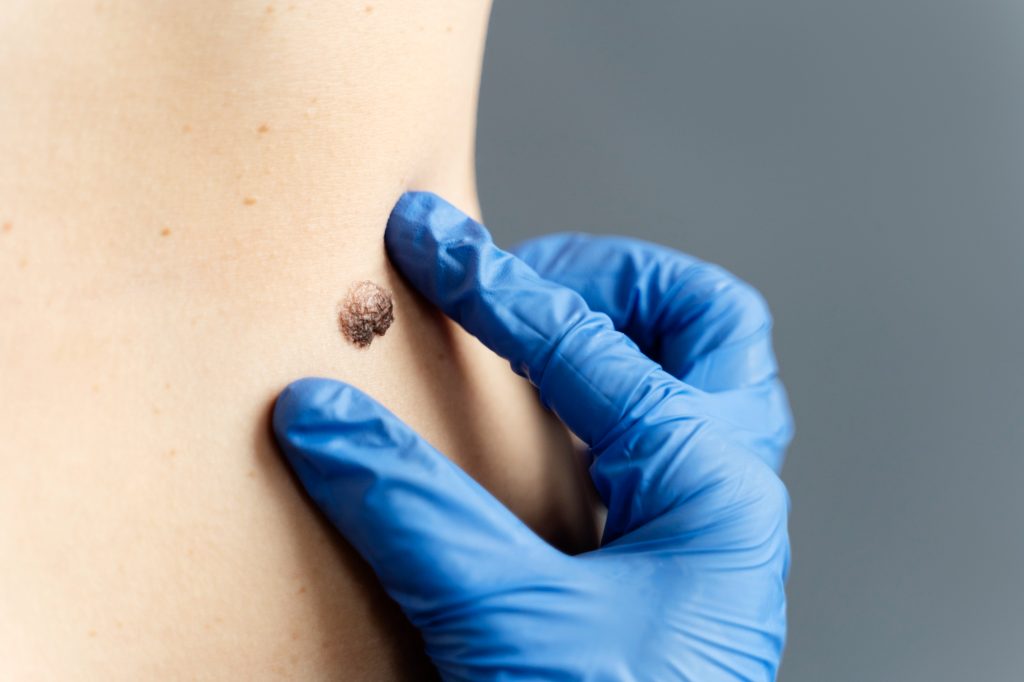
- A new mole or skin growth
- A sore that does not heal
- Changes in the size, shape, or color of a mole
- Itching, bleeding, or pain in a skin lesion
- Red, scaly, or crusted skin patches
- Dark spots with irregular borders
These symptoms should not be ignored, as early diagnosis can improve skin cancer treatment outcomes.
Risk Factors for Skin Cancer
Certain factors may increase the risk of skin cancer:
- Excessive sun exposure
- Fair skin
- Family history of skin cancer
- Older age
- Frequent tanning bed use
- Weak immune system
Knowing these risk factors can help in prevention and early detection.
How Is Skin Cancer Diagnosed?
Before starting skin cancer treatment, doctors may recommend:
Physical Skin Examination
A specialist examines suspicious moles or skin lesions.
Dermatoscopy
A special device is used to look at skin changes more closely.
Skin Biopsy
A sample of skin tissue is removed and examined under a microscope.
Imaging Tests
CT scan, MRI, or PET scan may be used in advanced cases.
Proper diagnosis helps in choosing the right skin cancer treatment.
How Is Skin Cancer Treated?
Skin cancer treatment depends on the type, size, location, and stage of cancer.
Treatment options may include:
Surgical Removal
The most common treatment where the cancer is removed surgically.
Mohs Surgery
A precise surgery used for selected skin cancers to preserve healthy skin.
Radiation Therapy
Used when surgery is not possible or after surgery in some cases.
Chemotherapy
May be used in advanced skin cancer cases.
Immunotherapy and Targeted Therapy
Advanced treatments used especially in melanoma and certain high-risk cancers.
Modern skin cancer treatment is personalized for each patient.
Skin Cancer Care and Prevention
Good skin care and prevention are important.
Helpful steps include:
- Use sunscreen regularly
- Wear protective clothing
- Avoid excessive sun exposure
- Avoid tanning beds
- Check your skin regularly
- Consult a doctor for suspicious skin changes
Early detection can make skin cancer treatment more successful.
When Should You Consult a Doctor?
Consult a specialist if you notice:
- A changing mole
- A non-healing sore
- Bleeding skin lesions
- Persistent itching or pain in a skin growth
Timely skin cancer treatment and expert care can improve recovery and quality of life.
Conclusion
Skin cancer is often treatable when diagnosed early. Understanding symptoms, diagnosis, and treatment options can help patients take timely action.
If you notice suspicious skin changes, early consultation and proper skin cancer treatment can improve outcomes.