
Parotid Cancer
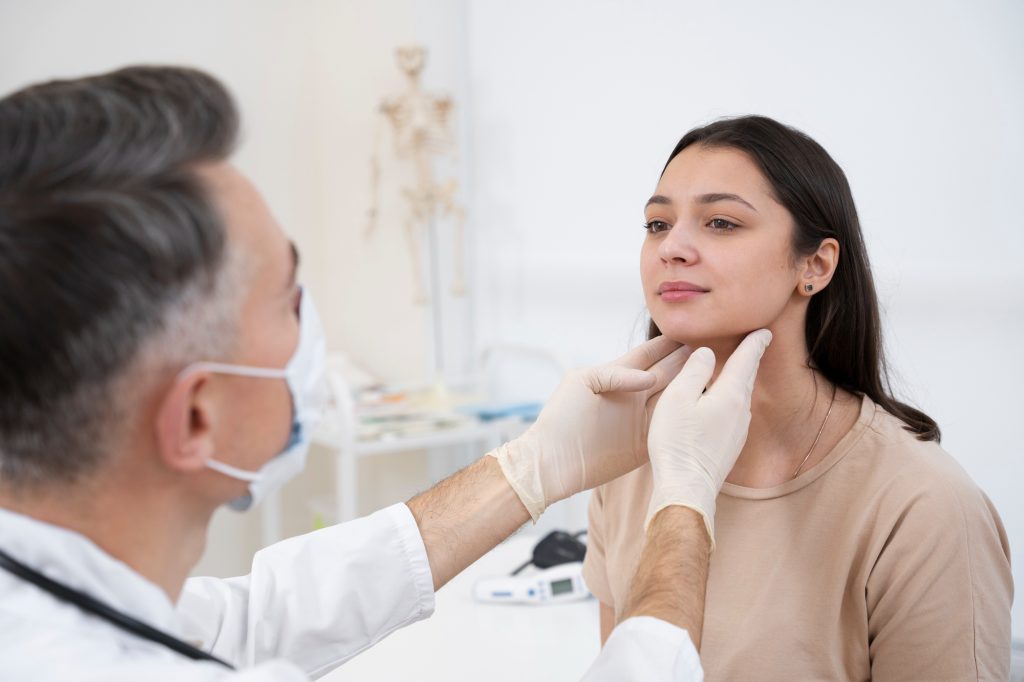
Parotid Cancer Treatment: 7 Important Facts
Parotid cancer treatment is important for managing cancer that develops in the parotid glands, the largest salivary glands located near the ears. Early diagnosis and timely treatment can improve outcomes and quality of life.
Here are 7 important facts about parotid cancer treatment.
1. What is Parotid Cancer?
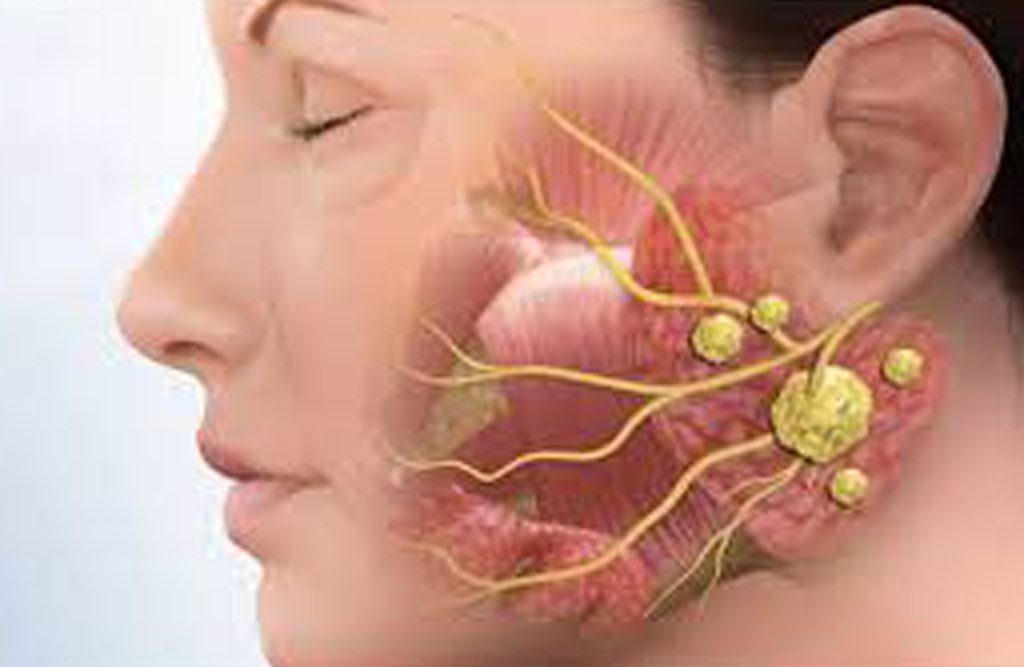
Parotid cancer is a rare cancer that begins in the parotid glands, which produce saliva and are located in front of and below the ears.
Early detection can make treatment more effective.
2. Types of Parotid Cancer
Different types include:
- Mucoepidermoid Carcinoma – most common type
- Adenoid Cystic Carcinoma – slow growing but may spread to nerves
- Acinic Cell Carcinoma – usually slow growing
- Adenocarcinoma – more aggressive form
- Squamous Cell Carcinoma – may spread from skin cancer
The type of cancer affects the treatment plan.
3. Symptoms That May Need Parotid Cancer Treatment
Common symptoms include:
- Lump near the jaw or ear
- Swelling in front of the ear
- Facial weakness or numbness
- Pain in the face
- Difficulty swallowing
- Changes in facial movement
These symptoms should not be ignored.

4. Diagnosis Before Parotid Cancer Treatment
Doctors may recommend:
- Physical examination
- Ultrasound
- CT scan or MRI
- Fine needle aspiration biopsy (FNA)
- Histopathological analysis
Accurate diagnosis helps in planning the right treatment.
5. Parotid Cancer Treatment Options
Treatment depends on the type and stage of cancer.
Treatment options may include:
- Surgery
- Radiation therapy
- Chemotherapy
- Targeted therapy
Modern treatment is personalized based on patient condition.
6. Risk Factors for Parotid Cancer
Certain factors may increase the risk of parotid cancer.
Common risk factors include:
- Older age
- Previous radiation exposure
- Family history of salivary gland tumors
- Smoking and tobacco use
- Exposure to certain workplace chemicals
Although parotid cancer is rare, knowing the risk factors may help in early diagnosis and treatment planning.
7. Prognosis Depends on Early Detection
The outcome of treatment depends on:
- Cancer stage
- Tumor type
- Patient’s overall health
- Response to treatment
Early-stage cancers generally have better outcomes.
When Should You Consult a Doctor?
You should consult a specialist if you notice:
- Swelling near the ear or jaw
- Facial weakness
- Pain in the parotid region
- Difficulty swallowing
- A persistent lump near the face or neck
Ignoring symptoms may delay diagnosis. Early consultation can help in timely parotid cancer treatment.
Prevention and Early Detection
Parotid cancer cannot always be prevented, but early detection may improve treatment outcomes.
Helpful steps include:
- Regular health check-ups
- Avoiding tobacco use
- Seeking medical advice for persistent swelling
- Early imaging and biopsy when needed
Early diagnosis often makes treatment more successful.
Conclusion
Parotid cancer is a rare but treatable cancer when detected early. Diagnosis, proper staging, and personalized treatment planning play an important role in improving recovery.
Timely parotid cancer treatment and expert cancer care can improve quality of life and treatment success.