
Soft Tissue & Bone Cancer Treatment

Complete Guide to Bone and Soft Tissue Cancer Treatment
Bone and soft tissue cancer treatment is important for managing rare cancers that affect the bones and connective tissues of the body. Early diagnosis and timely treatment can improve recovery and quality of life.
About Soft Tissue Cancer
Soft tissue cancer, also called soft tissue sarcoma, is a rare cancer that begins in tissues that connect, support, and surround body structures.
These tissues include:
- Muscles
- Fat
- Blood vessels
- Nerves
- Tendons
- Joint lining tissues
Types of Soft Tissue Cancer
Common types include:
- Liposarcoma
- Leiomyosarcoma
- Rhabdomyosarcoma
- Angiosarcoma
- Synovial Sarcoma
Symptoms of Soft Tissue Cancer
Symptoms may include:
- Painless lump or swelling
- Pain if the tumor presses on nerves
- Abdominal pain
- Gastrointestinal bleeding
- Difficulty breathing
Diagnosis of Soft Tissue Cancer
Doctors may recommend:
- MRI
- CT scan
- X-ray
- PET scan
- Biopsy
- Blood tests
Soft Tissue Cancer Treatment
Soft tissue cancer treatment may include:
- Surgery
- Radiation therapy
- Chemotherapy
- Targeted therapy
- Immunotherapy
Treatment depends on tumor type and stage.
About Bone Cancer
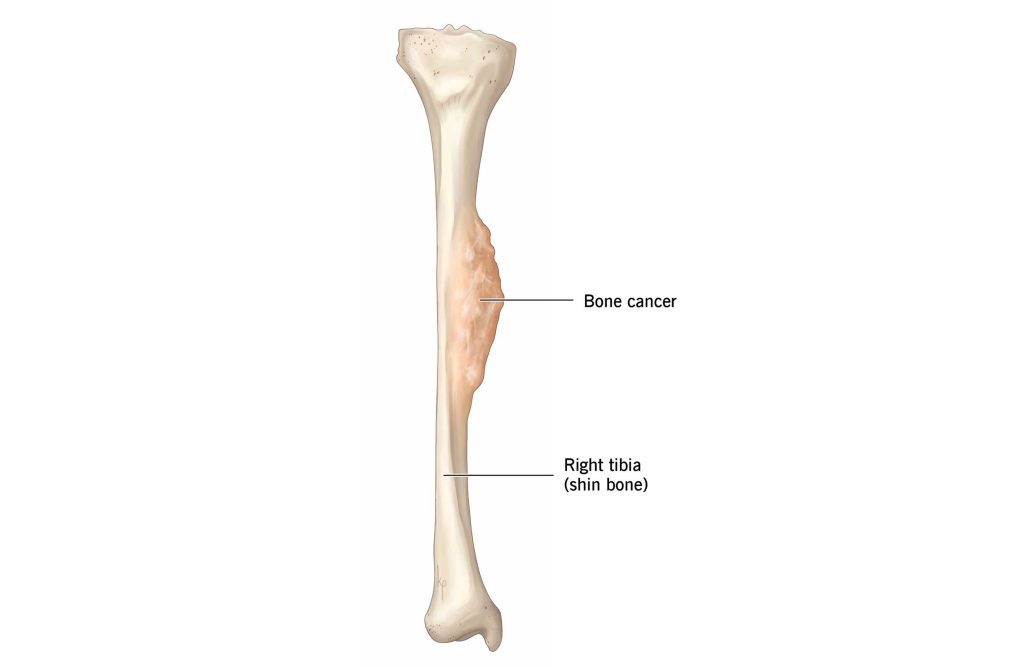
Bone cancer is a rare cancer that begins in the bones. It most commonly affects the long bones of the arms and legs.
Primary bone cancer starts in the bone itself, while secondary bone cancer spreads from another part of the body.
Types of Bone Cancer
Common types include:
- Osteosarcoma
- Ewing Sarcoma
- Chondrosarcoma
- Chordoma
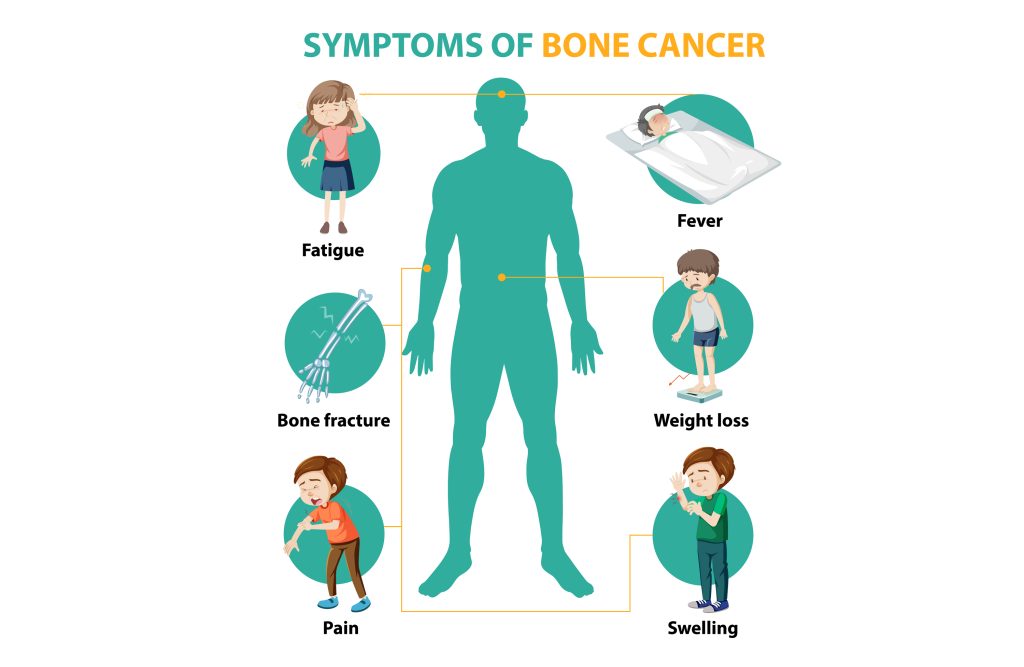
Symptoms of Bone Cancer
Symptoms may include:
- Persistent bone pain
- Swelling near the bone
- Fractures
- Fatigue
- Weight loss
Diagnosis of Bone Cancer
Doctors may recommend:
- X-ray
- MRI
- CT scan
- Bone scan
- Biopsy
- Blood tests
Bone Cancer Treatment
Bone cancer treatment may include:
- Surgery
- Limb-sparing surgery
- Radiation therapy
- Chemotherapy
- Targeted therapy
Treatment depends on cancer type and stage.
Prognosis and Recovery
The outcome of bone and soft tissue cancers depends on:
- Type of cancer
- Stage at diagnosis
- Tumor location
- Response to treatment
- Overall health of the patient
Early diagnosis and proper bone and soft tissue cancer treatment can improve outcomes.
When Should You Consult a Specialist?
Consult a doctor if you notice:
- Persistent bone pain
- A growing lump
- Swelling
- Unexplained fractures
- Weight loss
Early consultation can improve diagnosis and treatment planning.
Risk Factors for Bone and Soft Tissue Cancer
Certain factors may increase the risk of developing bone and soft tissue cancers.
Common risk factors include:
- Family history of cancer
- Previous radiation exposure
- Genetic syndromes
- Certain bone diseases
- Exposure to harmful chemicals in rare cases
- Weak immune system
Knowing these risk factors may help in early diagnosis and treatment planning.
Prevention and Early Detection
Bone and soft tissue cancers cannot always be prevented, but early detection may improve treatment outcomes.
Helpful steps include:
- Regular medical check-ups
- Early evaluation of unexplained lumps or swelling
- Not ignoring persistent bone pain
- Imaging tests for suspicious growths
- Timely biopsy when needed
Early diagnosis often makes bone and soft tissue cancer treatment more effective.
When Should You Consult a Specialist?
You should consult a doctor if you notice:
- A lump that keeps growing
- Persistent bone pain
- Swelling near joints or bones
- Unexplained fractures
- Difficulty moving a limb
- Unexplained weight loss or fatigue
Ignoring symptoms may delay diagnosis. Early consultation can improve treatment planning.
Recovery and Follow-Up Care
After treatment, regular follow-up is important to monitor recovery and detect recurrence early.
Patients may need:
- Follow-up scans
- Physical rehabilitation
- Pain management
- Regular specialist consultation
- Long-term monitoring
Proper follow-up care can improve quality of life after treatment.
Conclusion
Bone and soft tissue cancers are rare but treatable when diagnosed early. Proper diagnosis, surgery, and personalized cancer treatment planning can improve outcomes and recovery.
Timely bone and soft tissue cancer treatment and expert cancer care can improve quality of life.