
Ovary Cancer And HIPEC
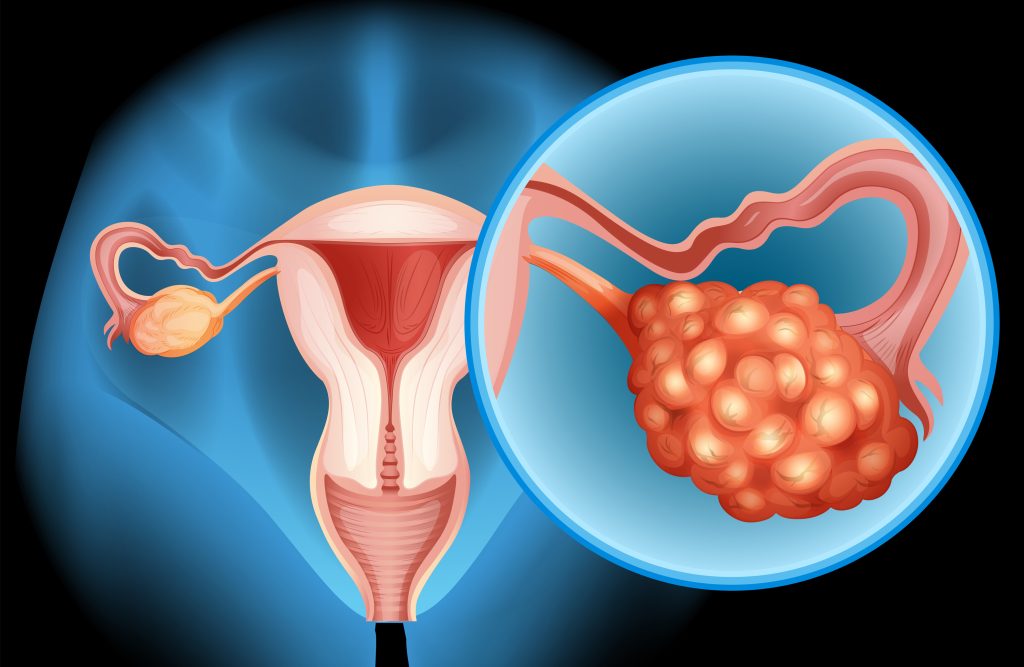
Ovarian cancer treatment is an important part of managing ovarian cancer, a disease that begins in the ovaries and can spread to the pelvis and abdomen if not detected early. Understanding symptoms, diagnosis, and available treatment options can help patients make informed decisions.
Early treatment and expert care can improve outcomes and quality of life.
Advanced cases may sometimes require specialized options such as HIPEC treatment.
About Ovarian Cancer
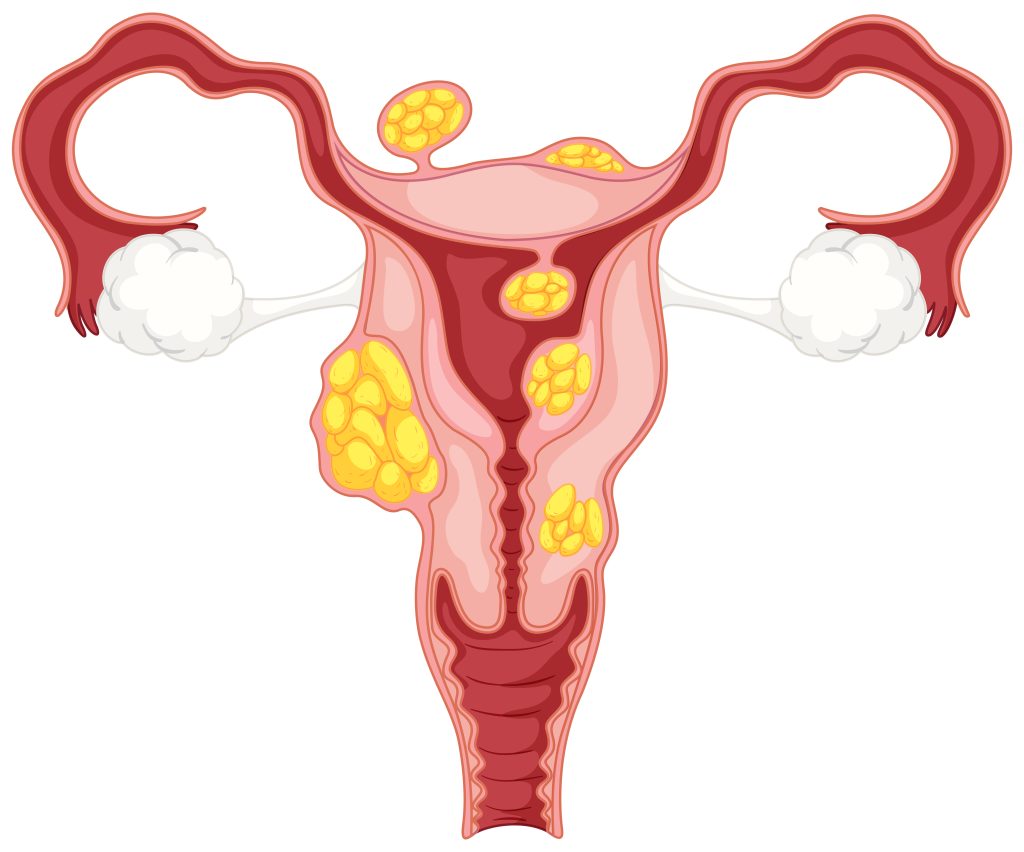
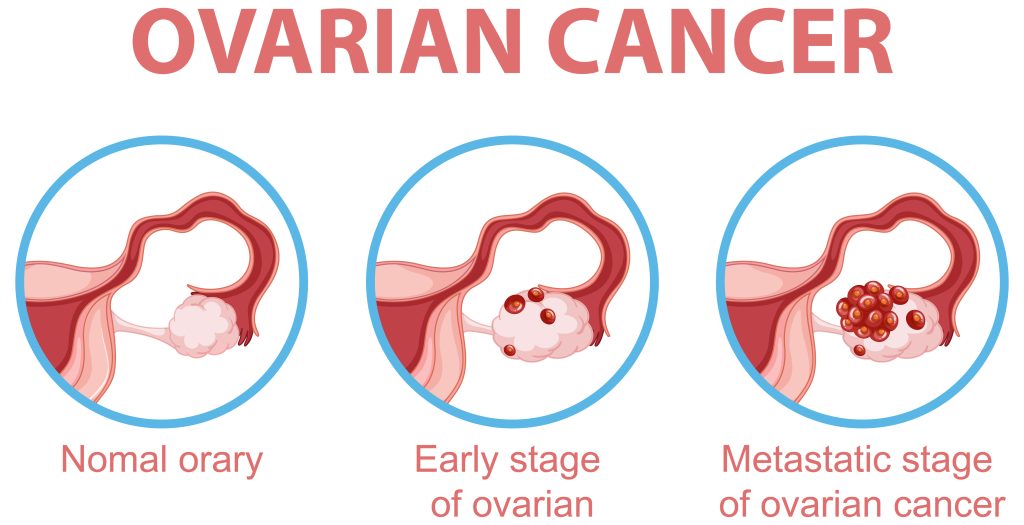
Ovarian cancer is a type of cancer that begins in the ovaries, which are female reproductive glands where eggs are produced. It is often difficult to detect in the early stage because symptoms may be vague.
Early diagnosis and timely treatment can improve outcomes.
Types of Ovarian Cancer
Different types of ovarian cancer include:
- Epithelial Tumors: Most common type arising from the ovary surface
- Germ Cell Tumors: Rare tumors from egg-producing cells
- Stromal Tumors: Rare tumors from hormone-producing tissues
Symptoms of Ovarian Cancer
Common symptoms include:
- Abdominal bloating
- Feeling full quickly
- Pelvic discomfort
- Weight loss
- Frequent urination
- Constipation
These symptoms should not be ignored.
Risk Factors for Ovarian Cancer
Risk factors include:
- Age above 50
- Family history of ovarian or breast cancer
- BRCA1 / BRCA2 mutations
- Hormone replacement therapy
- Endometriosis
Diagnosis Before Ovarian Cancer Treatment
Doctors may recommend:
- Pelvic examination
- Ultrasound
- CT scan
- CA-125 blood test
- Biopsy
Proper diagnosis helps in planning treatment.
Ovarian Cancer Treatment Options
Treatment may include:
- Surgery
- Chemotherapy
- Targeted therapy
- Immunotherapy
Modern treatment depends on cancer stage and spread.
About HIPEC Treatment
HIPEC treatment (Hyperthermic Intraperitoneal Chemotherapy) is an advanced treatment used in selected abdominal cancers, including advanced ovarian cancer.
It combines surgery with heated chemotherapy delivered inside the abdomen.
How HIPEC Treatment Works
Cytoreductive Surgery
The surgeon removes visible tumors from the abdominal cavity.
Heated Chemotherapy
Warm chemotherapy is circulated inside the abdomen for 60–90 minutes to target remaining cancer cells.
This is called HIPEC treatment.
Benefits of HIPEC Treatment
Benefits may include:
- Direct treatment inside abdomen
- Improved chemotherapy effect with heat
- Lower systemic side effects
- Better control in selected advanced cancer cases
Who Can Get HIPEC Treatment?
HIPEC is usually considered in:
- Advanced ovarian cancer
- Selected abdominal cancers
- Patients fit for major surgery
Doctors decide suitability based on:
- Overall health
- Cancer spread
- Previous treatment response
Risks and Side Effects of HIPEC Treatment
Possible risks include:
- Infection
- Bleeding
- Kidney problems
- Bowel complications
HIPEC treatment is not suitable for every patient.
Prevention and Early Detection
Although ovarian cancer cannot always be prevented, some steps may help reduce risk and support early detection.
- Regular gynecological check-ups
- Awareness of symptoms like bloating or pelvic pain
- Healthy lifestyle and weight management
- Genetic counseling in high-risk women
- Early medical evaluation if symptoms persist
Early diagnosis can make treatment more effective.
When Should You Consult a Doctor?
You should consult a specialist if you have:
- Persistent bloating
- Pelvic pain
- Frequent urination
- Feeling full quickly
- Unexplained weight loss
- Family history of ovarian or breast cancer
Ignoring symptoms may delay diagnosis. Early consultation can help in timely treatment.
Conclusion
Ovarian cancer can be difficult to detect in the early stage, but timely diagnosis and proper treatment can improve outcomes. Advanced treatment options such as HIPEC may help selected patients with abdominal spread of cancer.
If you are looking for expert ovarian cancer treatment, early consultation with a surgical oncologist can help in diagnosis, treatment planning, and better recovery.