
Anand Onco Care

breast cancer symptoms and treatment

10 Essential Breast Cancer Symptoms and Treatment Facts You Must Know

Breast cancer symptoms and treatment are two things every woman should understand well, because this cancer often creeps in quietly and slowly expands its reach before it’s ever noticed. Knowing the warning signs early — and understanding what treatment involves — can be the difference between a simple procedure and a long, difficult battle.
In this guide, Dr. Anand Shah, Oncosurgeon in Surat, walks you through the essential facts on breast cancer symptoms and treatment, from how the disease begins to how it’s diagnosed and treated.

breast cancer symptoms and treatment

1. How Does Breast Cancer Occur?

Like any other cancer, breast cancer begins at the cellular level. The cells in our body are constantly forming and renewing. Occasionally, a cell gets damaged due to some internal or external cause. Normally, the body repairs such damaged cells on its own — the cell either self-repairs or dies naturally.
However, when a damaged cell neither repairs itself nor dies, it can turn into a cancer cell. These abnormal cells multiply and gradually form a lump, or tumor. In the early stages, this lump is usually very small and may be found through self-examination — though mammography is recommended for a more accurate diagnosis. This is the starting point for understanding breast cancer symptoms and treatment as a whole.
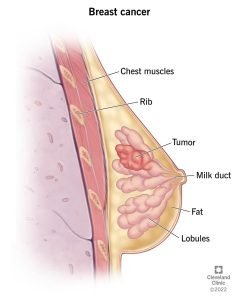
 

  Breast Cancer Symptoms & Treatment

2. Early-Stage Breast Cancer Symptoms

Catching breast cancer symptoms early significantly improves treatment outcomes. Watch for:

A lump in the breast that is usually painless

Skin of the breast or nipple starting to pucker or draw inward

Discharge of black-colored fluid or blood from the nipple

Important note: A white, yellow, or watery nipple discharge is often normal and not a symptom of cancer. However, black or bloody discharge should never be ignored.
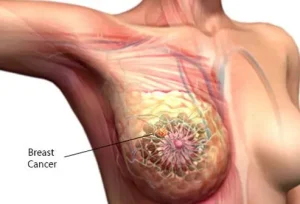


3. Symptoms of Advanced Breast Cancer

If early signs are missed, the disease can progress to more visible symptoms:

Breast or nipple skin becoming rough, resembling an orange peel

A sore or ulcer developing on the breast

The entire breast turning red

Swelling in the armpit

If you notice any of these signs, consulting a specialist immediately is critical for early diagnosis.


4. How Breast Cancer Spreads

Without timely treatment, breast cancer cells can spread beyond the breast to other organs:

Organ Affected Common Symptom
Liver Jaundice
Bones Back pain
Brain Seizures or loss of consciousness
Lungs Persistent cough

These symptoms typically indicate a later stage of the disease, which makes early detection even more important.


5. Complete List of Breast Cancer Symptoms

Distinct lump or swelling in the breast

Fluid discharge from the nipple (blood or black-colored)

Nipple retracting inward or becoming rough

Puckering of the breast skin

Red, swollen nipple

Swelling in the armpit

Bone pain

Back pain

Unexplained weight loss

Breast skin resembling an orange peel


6. Breast Cancer Risk Factors

Certain factors can increase the likelihood of developing breast cancer:
Menstruation starting before age 12
Not having children
Menopause occurring after age 50
Family history of breast cancer, especially in close relatives
Genetic mutations (relatively rare)
Past history of uterine cancer
Prior ovarian or large intestine surgery
Alcohol consumption
Having a first child after age 28
Obesity after menopause

7. How to Prevent Breast Cancer

While not all risk factors are controllable, certain lifestyle habits can help lower your risk:

Breastfeeding has been shown to reduce breast cancer risk

Exercise or practice yoga for 30–50 minutes daily

Maintain a balanced, nutritious diet

Keep your weight in a healthy range

Avoid alcohol consumption


8. Breast Cancer Screening: When to Get Tested

Ages 20–40: Regular self-examination

After age 40: An annual breast examination by a specialist, along with a mammography once every two years

Screening is one of the most powerful tools for early detection, since it often catches the disease before symptoms even appear.


9. Diagnostic Tests for Breast Cancer

To determine whether breast cancer has spread to other organs, doctors may recommend:
Abdominal sonography
Mammography
Chest X-ray
CT scan
PET scan
To confirm whether cancer is present at all, two key tests are used:
Biopsy (Core Needle Biopsy): A thick needle is used to extract a small sample from the lump, rather than the entire tumor, for lab analysis.
IHC (Immunohistochemistry): A state-of-the-art molecular marker test that helps identify the specific characteristics of the cancer.

10. Personalized Breast Cancer Treatment

Based on the results of these tests and screenings, a team of specialist doctors develops a unique, personalized treatment plan — the final and most important step in the journey. Treatment plans typically factor in the stage of cancer, its mol

Why Early Detection Matters

When it comes to breast cancer symptoms and treatment, timing is everything. The disease, when detected early, is highly treatable. Don’t ignore small, painless changes in the breast — stay consistent with self-examinations and recommended screenings after age 40.

Consult Dr. Anand Shah — Oncosurgeon in Surat

If you’ve noticed any breast cancer symptoms or risk factors that concern you, don’t wait. Early consultation with a specialist is the first step toward effective treatment.

Dr. Anand Shah (Oncosurgeon)

📞 98982-75805 | 98982-50390

Book your appointment today for expert diagnosis and a personalized treatment plan.

Leave a Comment

Your email address will not be published. Required fields are marked *

Scroll to Top